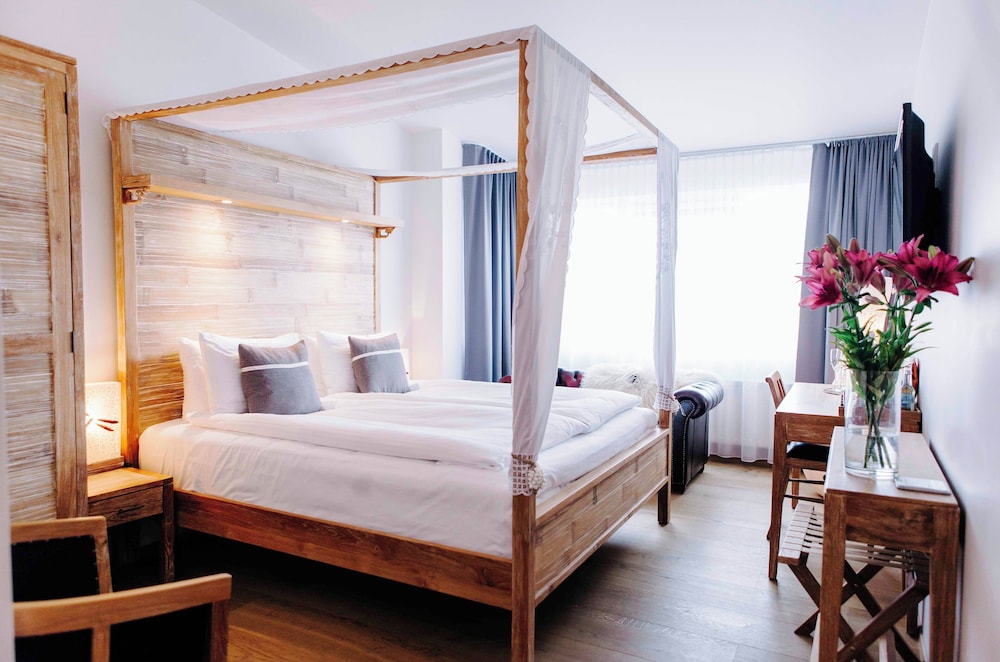
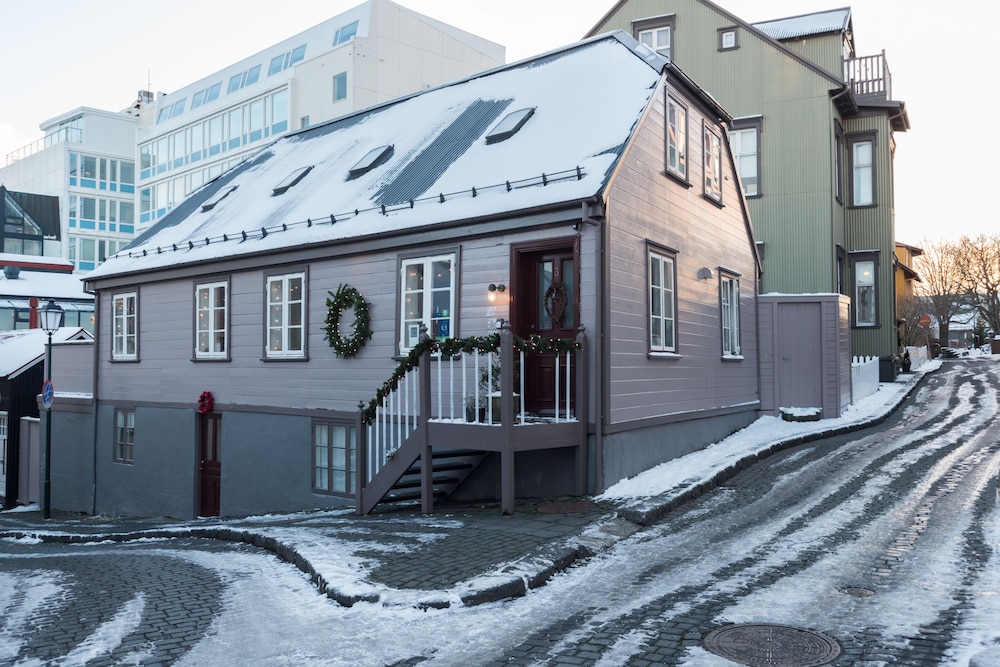
Kallis Apartments
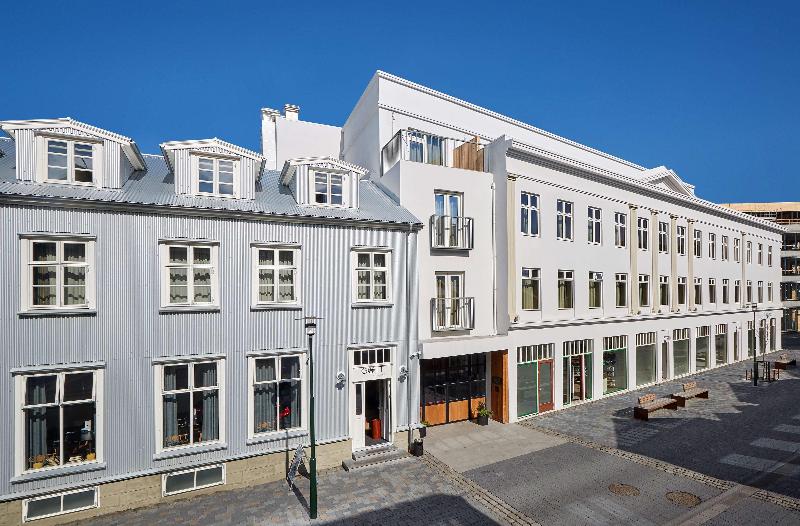
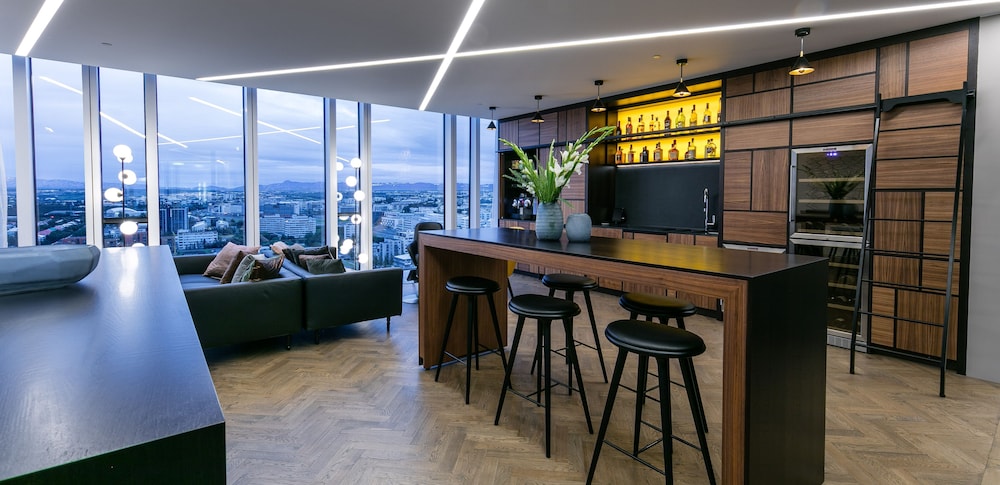
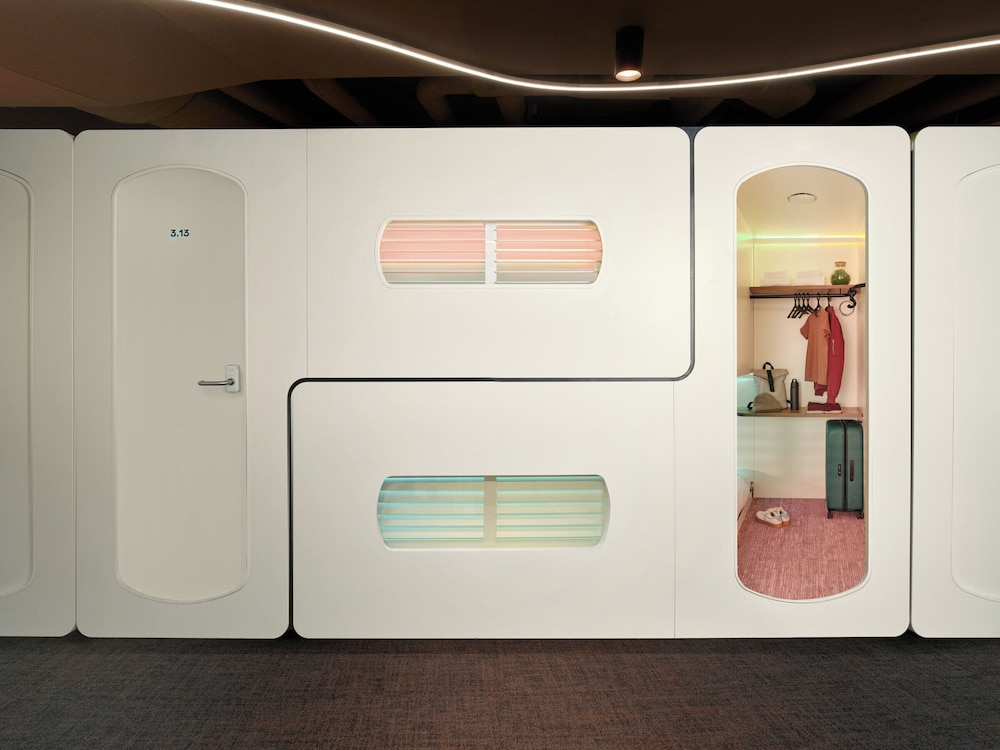
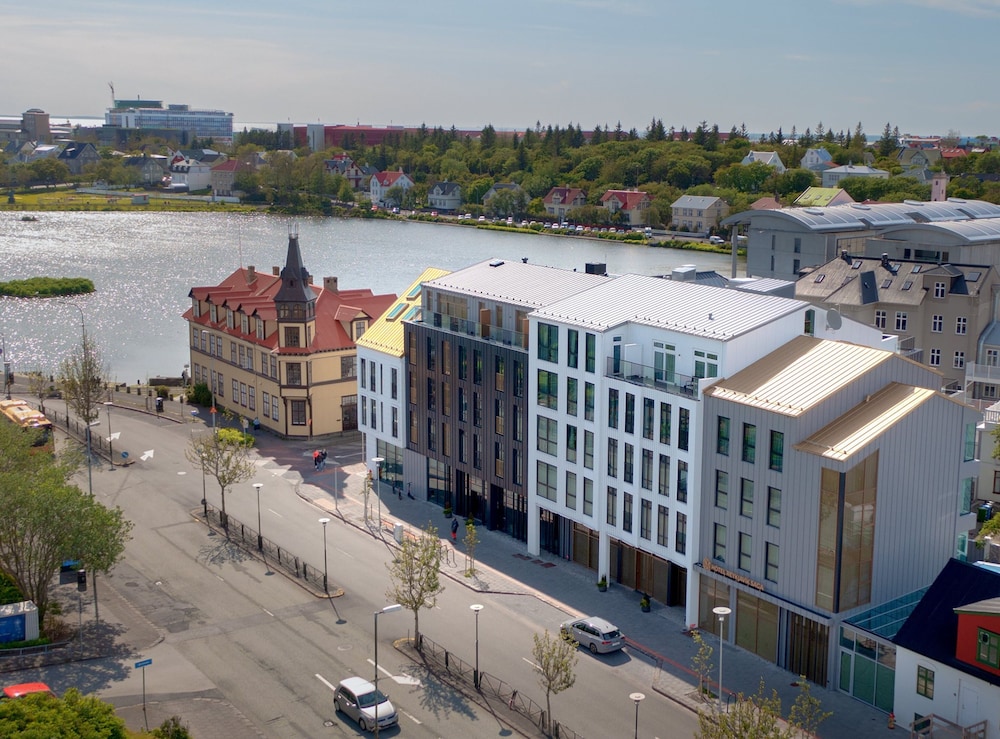
Kallis Apartments is a well-rated 4-star hotel in Reykjavik, Iceland, popular with guests who want comfort and a strong location near Jokulsarlon Glacier Lagoon.
The surrounding Reykjavik district is one of the most convenient parts of Iceland to stay in, with restaurants, cafés and transport links close by.
Because pricing is set live by the hotel and its suppliers, the figure shown here is a recent snapshot; check the current rate for your exact dates before booking.
Key facts
What’s included
Around Reykjavik
The booking trap: Keflavik is not Reykjavik, and other Iceland-specific mistakes
Keflavik and Reykjanesbaer are 47 km from central Reykjavik, roughly 50 minutes by Flybus, and staying there to save money only works if you have a very early or very late flight. Every year people book a "Reykjavik" hotel that turns out to be in Kopavogur or Mosfellsbaer, which is fine but not walkable to Laugavegur, so check the postcode: 101, 105 and 107 are central, anything else is a bus ride. Grindavik has been affected by volcanic activity on the Reykjanes peninsula since 2023 and some hotels there have closed or relocated, so verify current status before booking.
The season nobody expects is late August to mid-September, which has aurora, open highland roads until early September, and rates already 20-30% below July. The area people wrongly skip is the east: Egilsstadir and Seydisfjordur are 650 km from Reykjavik but the Faroese ferry Norrona docks in Seydisfjordur, and the fjord itself is one of the quietest places on Route 1. Do not book a 2WD for a Ring Road trip between October and May; the Oxi pass and the road over Hellisheidi close without warning.
Where to stay in Iceland: picking between Reykjavik, the south coast and the north
Most first visits are based in Reykjavik, specifically the 101 postcode around Laugavegur and Hallgrimskirkja, because it puts you within 50 minutes of the Golden Circle and 45 minutes of Keflavik airport. Kopavogur, Gardabaer and Mosfellsbaer sit on the same bus routes into the capital and typically run 15-25% cheaper than central 101 for the same standard of room. Hafnarfjordur is the pick if you want harbour walks and easier parking, and Reykjanesbaer or Keflavik town make sense only for early flights or a Blue Lagoon stop in Grindavik.
Outside the capital, Selfoss and Hveragerdi are the natural first night east if you're driving the south coast, Vik is the base for Reynisfjara and Skogafoss, and Hofn is where you sleep after Jokulsarlon. Akureyri is the northern hub for Myvatn and Husavik whale watching, Egilsstadir and Seydisfjordur cover the east, and Isafjordur is the Westfjords base most people underestimate the drive to. Stykkisholmur, Borgarnes and Akranes handle Snaefellsnes, while Thingvellir and Landmannalaugar have very limited beds and book out months ahead in summer.
Best time to visit Iceland month by month
June, July and August are peak: 20+ hours of daylight, all F-roads to Landmannalaugar open by early July, and Reykjavik hotel rates 40-60% above winter. Puffins are on the cliffs at Latrabjarg and Dyrholaey from late May to mid-August, and this is the only reliable window for the highlands. September brings the first aurora nights and a noticeable price drop after the 1st, while October and November are the cheapest months of the year alongside January.
December has Reykjavik's Christmas markets and Yule Lads but rates climb again over New Year, when fireworks over Hallgrimskirkja push prices close to summer levels. February and March are strong for northern lights and ice caves in Vatnajokull, with mid-range hotels in Vik or Hofn around 20,000-28,000 ISK. April and May are shoulder season with unpredictable weather but the best value if you can accept that Myvatn roads may still be icy and Seydisfjordur's pass can close.